
Your workflow and tools
Work in your Jira, Linear, or Azure DevOps workflow, and collaborate in Slack or Teams with PMs, developers, and stakeholders.
Sigi Technologies
Embed UI/UX designers who improve workflows, usability, and design consistency — delivered as build-ready output for web and mobile teams.
Trusted by startups and established businesses worldwide
Recognized & reviewed on
Journeys, edge cases, and states designed for how operators actually work — not happy-path mockups only.
Patterns, components, and handoff that reduce one-off screens and design-to-dev guesswork.
Build-ready files and collaboration inside your sprint so usability issues get fixed while delivery continues.
This role sits under Hire Talent alongside Hire Developers. Good design reduces support load and increases adoption when it is tied to real workflows.
We embed designers who support product delivery end-to-end: discovery, UX, UI, handoff, and iteration with engineering.
Related delivery capacity lives on Hire Frontend Developers and Hire Product Designers.
180+
Skilled software engineers delivering excellence
10+
Years of dedicated industry experience
200+
Successful software development projects
80+
Global clients
Choose the design role you need. Each role lists the kind of work we staff for so you can match talent to your product type and delivery needs.
Journey ownership across roles and states so the experience stays coherent as the product grows.
iOS and Android patterns for apps that have to work on real devices, not stretched web layouts.
UI craft — type, color, spacing, and components applied as a system across product surfaces.
Libraries, variants, and handoff files engineers can trust as the product scales.
Multi-role platforms and workflow-heavy SaaS UX where admin and operator views stay clear.
Ops and analytics UI built for the job — filters, density, and the next action.
Storefront and theme UX for merchandising, collection, and product flows that match how you sell.
Identity systems product and marketing teams can apply on sites and screens.
Campaign and product graphics produced against a brief and existing visual system.
UI motion and product animation that explains state — not ornamental loops on every tap.
Teams typically hire UI/UX designers when workflows, consistency, or handoff quality start slowing adoption and delivery.
Adoption or efficiency is suffering because the product is hard to use in real work.
Patterns evolved without a system, so modules drift and every screen feels like a one-off.
Work is being built without mapped journeys, edge cases, or a shared view of the user path.
Unclear states and messy workflows are creating tickets that design can prevent.
The product needs UX improvement while engineering keeps shipping, not a months-long freeze.
Design-to-dev collaboration has to respect operational constraints and real usage patterns.
Design hiring hub — proof
This hub is how teams start when they need design capacity across web and mobile. Proof lives in published product work — companion apps, booking products, and multi-sided platforms — not invented conversion percentages. Pick a specialization below when the role is narrower.
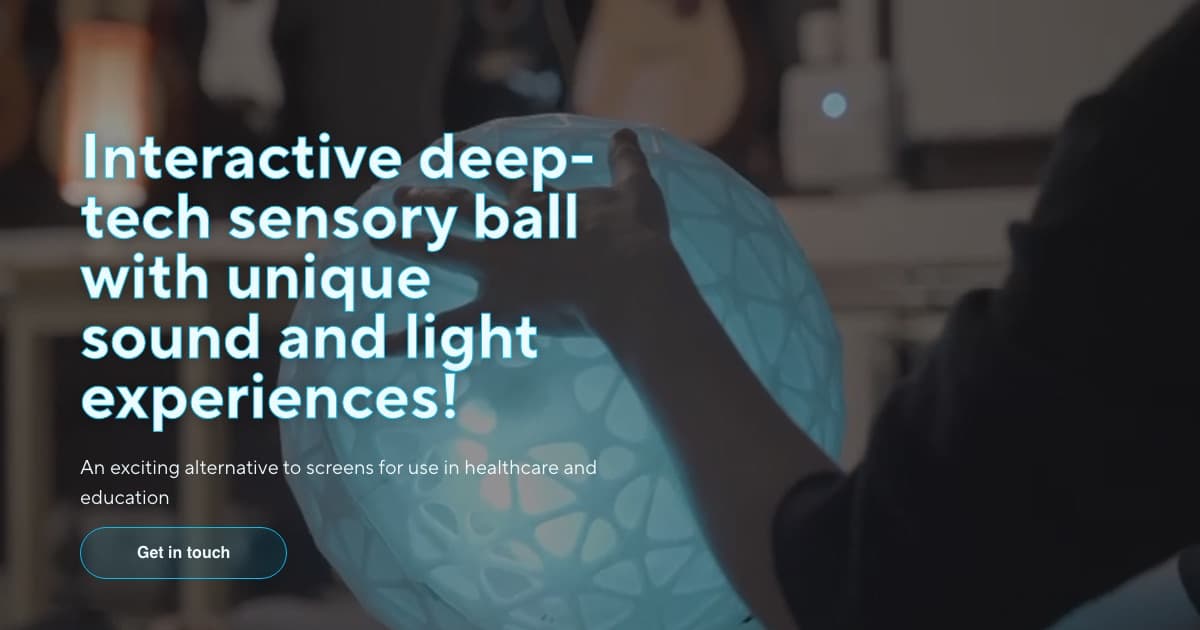
Companion-app UX shipped with the product team for a sensory hardware device.
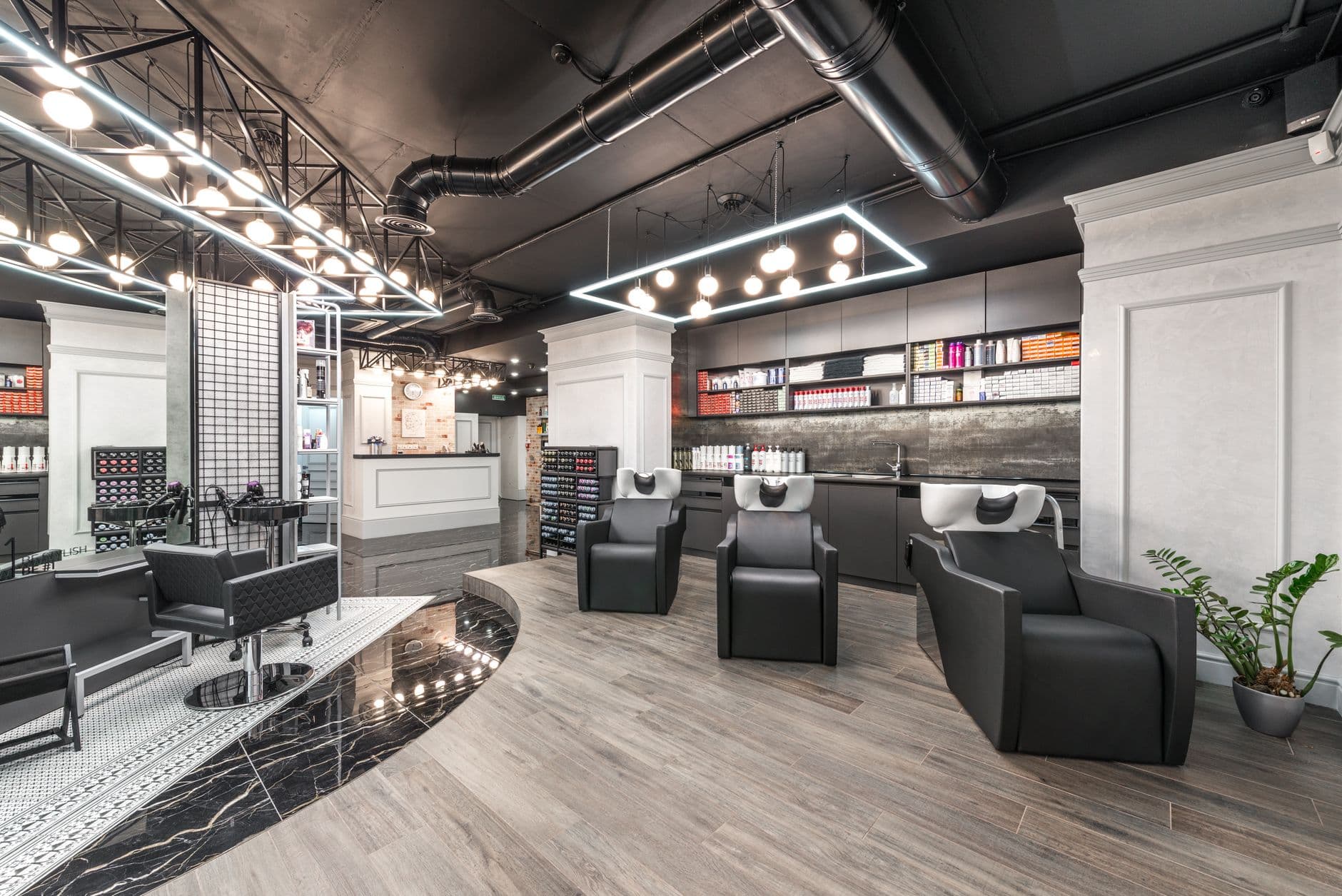
Read the case study →Two-sided booking UX across customer and seller apps.
Read the case study →Grocery product UX across customer, store, and operations surfaces.
Read the case study →If usability issues, inconsistent UI, or unclear flows are slowing adoption and delivery, we’ll embed UI/UX designers who can structure workflows, standardize the interface, and produce build-ready designs your team can implement confidently.
Hire Developers includes designers across common product design needs because many teams search by the specialization they are building.
Product designers for end-to-end ownership. UX for workflows, research, and IA. UI for visual systems and component-driven interfaces.
Platform UX for workflow-heavy products, plus data-dense screens: tables, filters, and admin tooling.
iOS and Android patterns, tokens and reusable foundations, and Figma-based delivery and collaboration.
How we work
Design augmentation works best when designers collaborate daily with product and engineering.
Work in your Jira, Linear, or Azure DevOps workflow, and collaborate in Slack or Teams with PMs, developers, and stakeholders.
Align to release planning and produce output that matches your component reality and engineering constraints.
Support active development with edge-case resolution, and document patterns so the team is not dependent on one designer.
Design work should make workflows clearer, handoffs cleaner, and the interface consistent enough that developers can implement with confidence.
Less user confusion and lower support load when the product matches how people actually work.
Fewer design-to-dev interpretation issues, so implementation does not stall on missing states.
Less drift and less rework across modules when tokens and components are shared.
Developers can implement confidently, with better onboarding, activation, and day-to-day usability.
Many teams start with one designer and scale as delivery needs grow. Direct collaboration with developers is expected so edge cases get resolved during implementation.
Brands and organizations that trust our delivery
Case studies from engagements where UI/UX designers we placed shaped the outcome.
Projects > Healthcare
Figma design system, guided QR and Bluetooth pairing and calm live-session controls for the app that runs Muzziball’s sensory ball in clinics, care homes and classrooms.
Muzziball AS
Projects > Events
Event pages, photo and video galleries, and a three-required-field quote form for a Plano, Texas DJ and event production company—designed in Figma and tested with Playwright.
Havoc Entertainment LLC (Havoc DFW)
Projects > Bookings
How Sigi built Woowlook’s customer app for nearby salon discovery, slot booking and online payment, plus a Woow Seller app for staff, bookings and payouts.
Woowlook
Projects > On-Demand
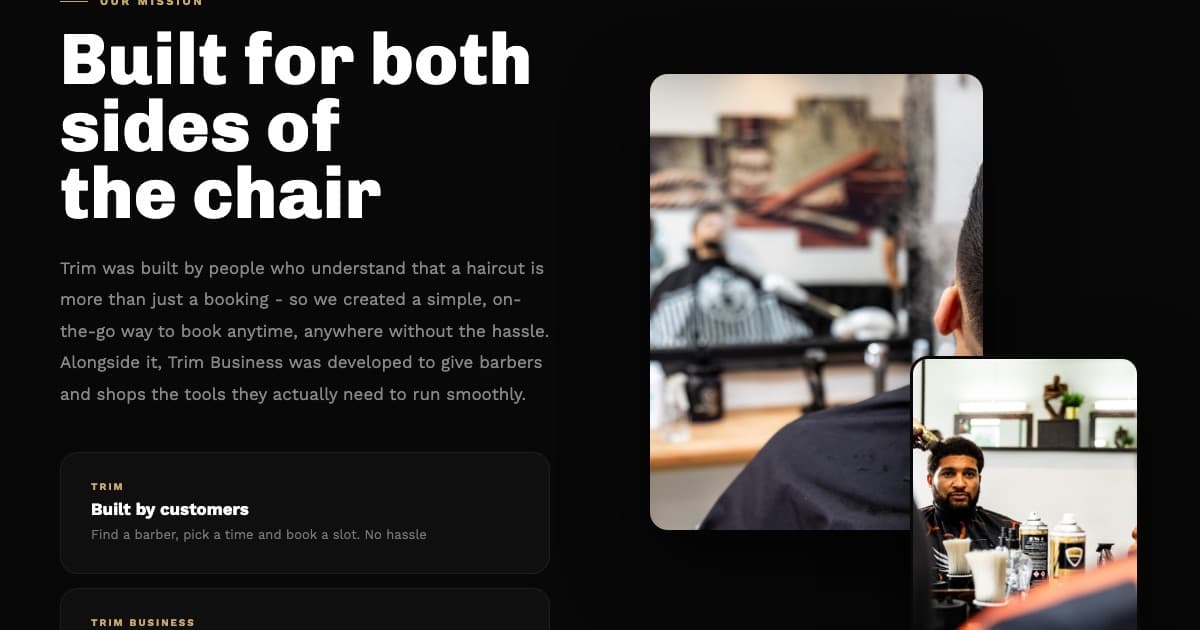
Flutter customer and business apps, a React admin panel and Stripe payments for Trim Worldwide, with commission, salary and rent-a-chair pay models in one ledger.
Trim Worldwide Ltd
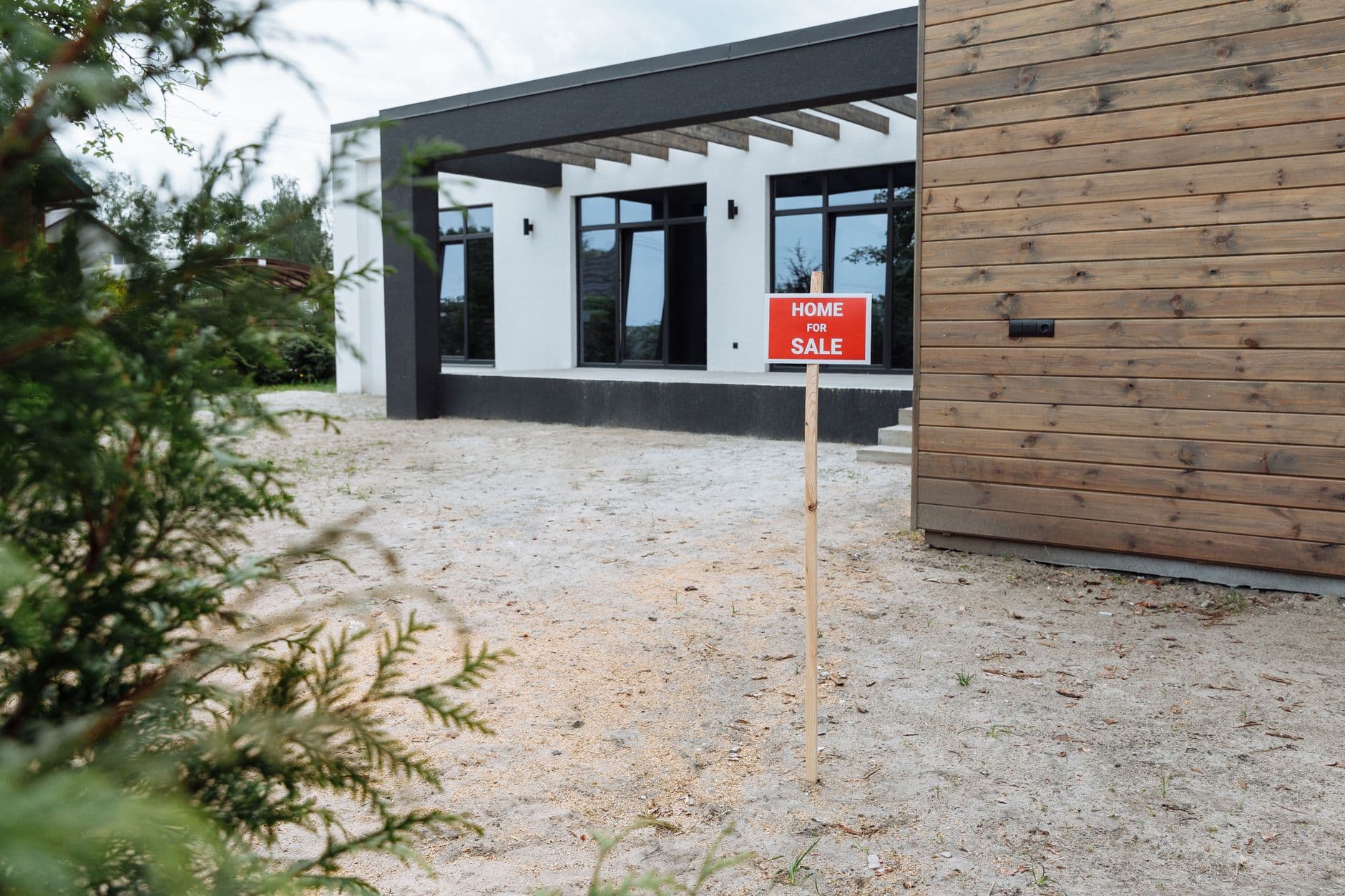
Projects > Real Estate
A WordPress real estate website with a single-click inquiry pop-up for a Lahore agency, paired with Google Ads, social, and SEO campaigns Sigi kept managing after launch.
SHS Estate & Builders
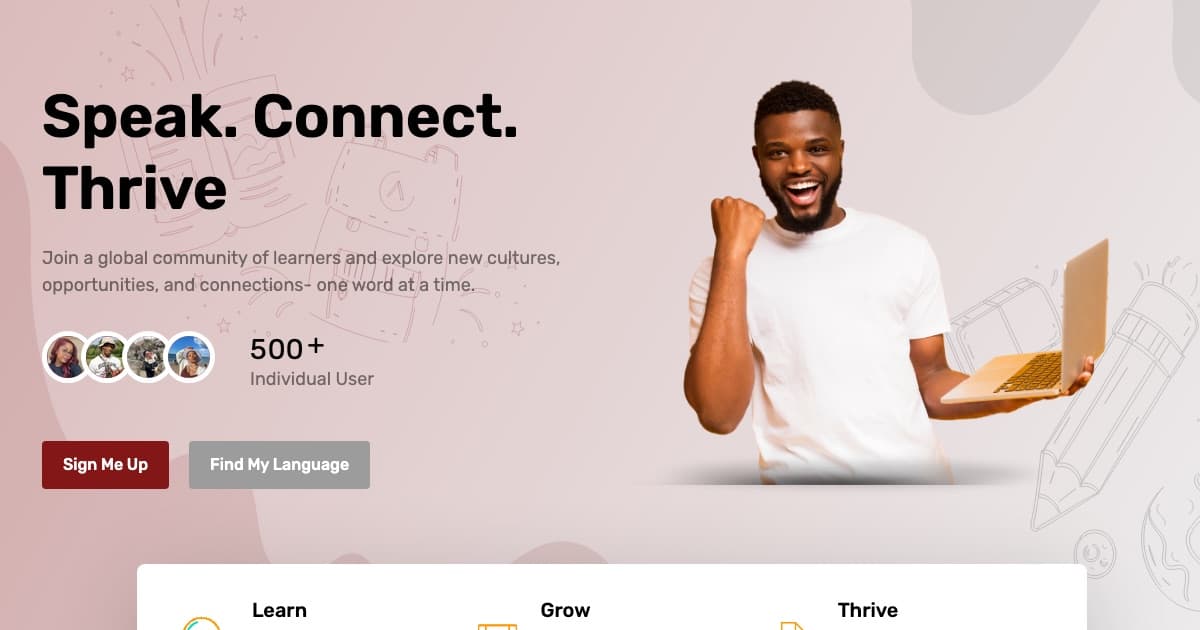
Projects > Education
A Laravel 10 learning management system for a Bulawayo language school, with Zoom API live classes, Paynow payments, quizzes and certificates replacing WhatsApp groups and offline records—administrative effort down 60%, per the client.
Alpha Academy (Alpha Language Centre)
How we staff design roles
Choose a model based on whether you need continuous product design, a specialist for a redesign, or a small delivery pod.
Best for continuous product design work across modules.
Best for redesigns, new modules, or design system foundations.
Faster end-to-end outcomes: UI/UX plus frontend, full stack, or QA for design validation and edge-case coverage.
Yes. We can staff UI-focused, UX-focused, or product designers depending on your needs. This hub also links to specialized roles such as mobile UX, Figma, SaaS, and brand design.
Yes. Direct collaboration is expected to reduce rework and resolve edge cases during implementation.
Yes. We can extend your design system or help standardize patterns if one doesn’t exist.
Figma is the default for product UI. We also work in your tracker, Slack or Teams, and handoff formats your frontend team already uses.
Start with our published case studies — including Muzziball and Woowlook — then we align on the role, stack, and first sprint goals for your product.
Yes. Many teams start with one designer and scale as delivery needs grow.