Your workflow and tools
Work in your Jira, Linear, or Azure DevOps workflow, and collaborate in Slack or Teams with engineering, product, and QA.
Sigi Technologies
Hire full-stack developers for end-to-end feature delivery across UI, APIs, and databases—with fewer handoffs and faster execution.
Trusted by startups and established businesses worldwide
Recognized & reviewed on
UI through API in one owner so handoffs do not stall the sprint.
Workflows, admin tools, and integrations delivered without splitting every ticket.
Capacity that joins your stack and reduces backlog without a rebuild mandate.
This role is part of Hire Developers. Full-stack work touches multiple parts of the system, so outcomes show up as delivery impact: fewer handoffs, clearer ownership, and modules that ship in your cadence.
We embed full-stack engineers who can own delivery across the full feature lifecycle.
Layer-specific capacity lives on Hire Frontend Developers and Hire Backend Developers.
180+
Skilled software engineers delivering excellence
10+
Years of dedicated industry experience
200+
Successful software development projects
80+
Global clients
We embed full-stack engineers who can own delivery across the full feature lifecycle.
UI implementation, API and service work, and database changes under one owner so modules ship without waiting on handoffs.
Roles, approvals, multi-step flows, admin tooling, search, filtering, exports, reporting, and dashboards.
Third-party APIs, webhooks, and background jobs shipped as complete product features.
Clear UI, service, and data boundaries, reusable components, modular services, and handover documentation.
UI rendering and bundle work, API query and caching tuning, indexes and migrations, and safer production error handling.
PR-based delivery, tests on critical-path workflows, QA collaboration, and better diagnostics for faster incident resolution.
Teams typically hire full-stack developers when features span UI, APIs, and data, and handoffs are slowing delivery.
Handoffs across layers are slowing delivery, so one owner per module is faster than splitting tickets.
Splitting tickets across frontend and backend teams is adding wait time instead of shipped work.
UI, services, data, and integrations all need movement in the same cadence.
Engineers with execution flexibility help you add capacity without adding more coordination overhead.
You need additional capacity across the stack quickly so the release does not stall.
Feature work sits alongside refactors, performance fixes, and reliability improvements.
Full stack delivery we can show
Full stack embeds at Sigi work across the same products we publish as case studies. Proof is delivery in real repos, not a fake “10x velocity” claim.
Two-sided booking product designed and built as customer and seller apps.
Read the case study →Multi-sided grocery platform across customer, store, and operations surfaces.
Read the case study →On-demand courier product work spanning ops workflows and mobile delivery.
Read the case study →If your roadmap keeps stalling because features need coordinated UI, API, and data work, we’ll embed a full-stack developer who can own delivery end to end and ship complete outcomes in your cadence.
Hire Developers includes full-stack talent across common product stacks because many teams search by the stack already in the codebase.
React + Node.js for modern product delivery. MERN and MEAN for full-stack execution on MongoDB, Express, and Node.js.
React + Django or FastAPI for API-heavy products. React + ASP.NET Core for enterprise platforms.
React + Spring Boot for large system ecosystems. Laravel plus a modern frontend for existing PHP platforms.
How we work
Full-stack augmentation works best when engineers integrate into your delivery system.
Work in your Jira, Linear, or Azure DevOps workflow, and collaborate in Slack or Teams with engineering, product, and QA.
Build in your repo following your branching strategy, PR reviews, tests, acceptance criteria, and release checks.
Deliver in a sprint-based or weekly cadence, and document modules and decisions so delivery does not depend on tribal knowledge.
Full-stack work should ship complete features with fewer handoffs, not just add more tickets across teams.
Fewer handoffs across UI, API, and data work, so features move through the cadence instead of stalling.
One owner per module and workstream, so tickets are not split across teams waiting on each other.
End-to-end execution clears work that previously sat between frontend and backend queues.
Fewer regressions and late-cycle surprises, with performance improvements across UI and API layers.
Many teams start with one full-stack developer and expand after delivery fit is proven. The goal is ownership across UI, backend, and data changes so features ship with fewer dependencies.
Brands and organizations that trust our delivery
Case studies from engagements where full-stack engineers we placed shaped the outcome.
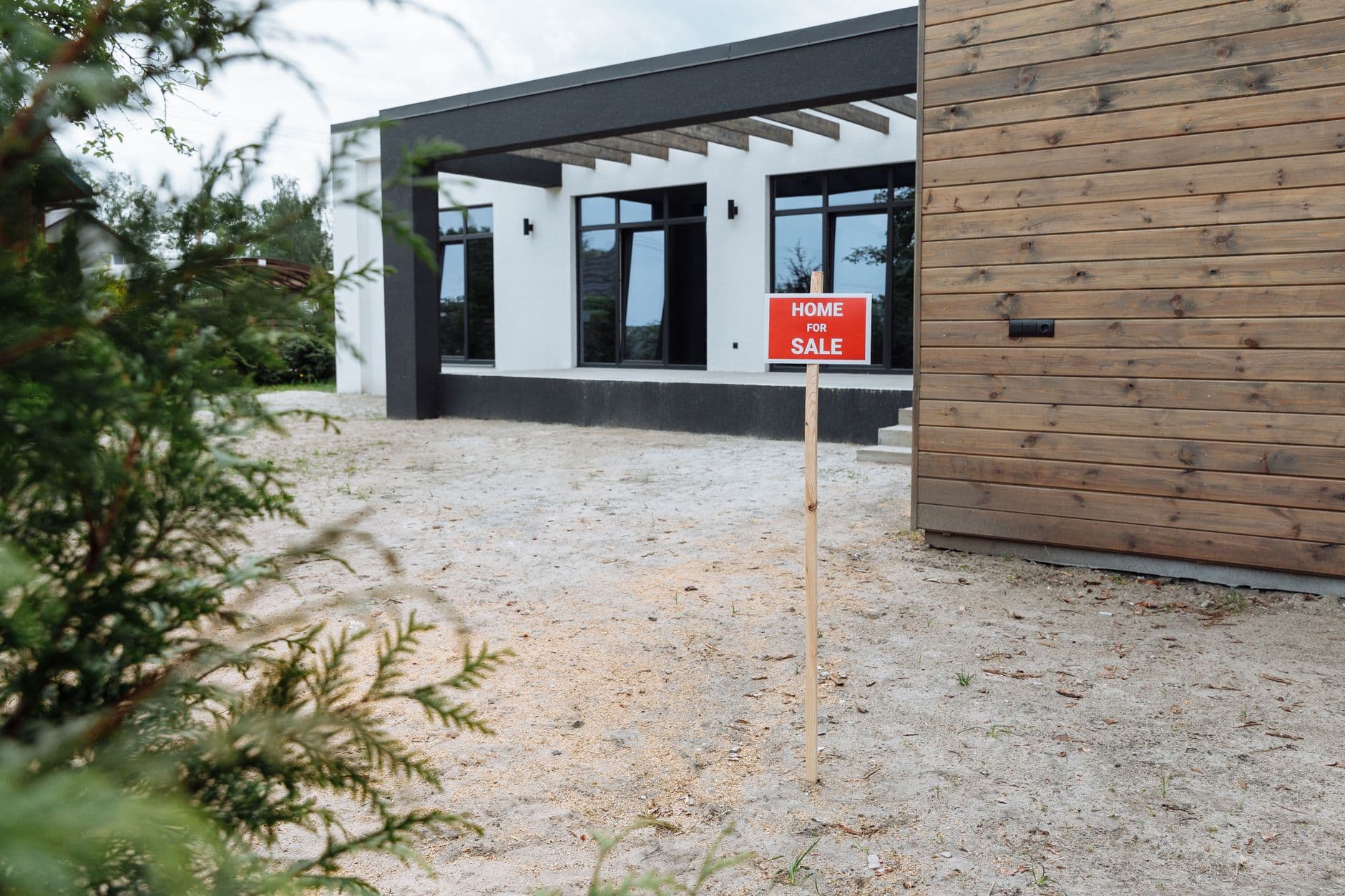
Projects > Real Estate
A WordPress real estate website with a single-click inquiry pop-up for a Lahore agency, paired with Google Ads, social, and SEO campaigns Sigi kept managing after launch.
SHS Estate & Builders

Projects > Automotive
How Sigi built VinCash’s plate-or-VIN quote funnel, cash-offer step, and lead handling so Canadian drivers can sell a car online and be paid after one inspection.
VinCash

Projects > Manufacturing
Two websites for the Madina Steel group — a manufacturer site with product specs, ISO approvals, and notable projects, and a WhatsApp-first building supplies catalog for its Lahore depot.
Madina Steel group (Madina Steel Industry and MSI Sales Depot)
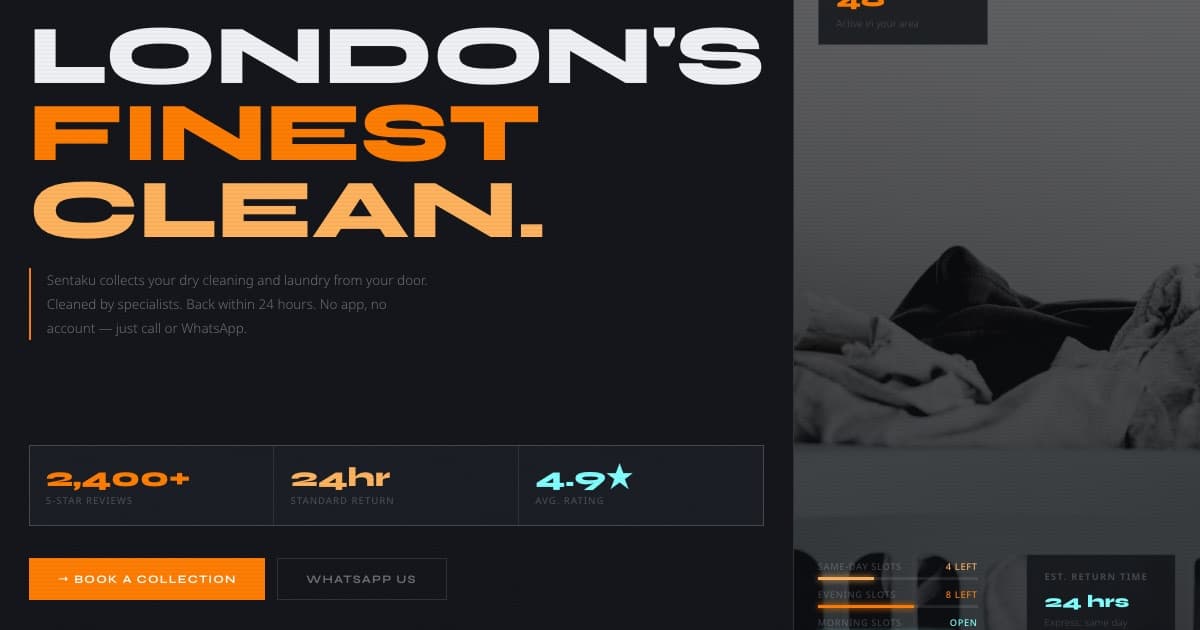
Projects > Web Design
One Figma template, three booking-first landing pages for Maurice Colp, Blue Bell, and Hampstead Garment Care — doorstep collection, 24-hour turnaround, no app needed.
Maurice Colp Dry Cleaner, Blue Bell Dry Cleaner, Hampstead Garment Care

Projects > E-Commerce
A customized Kalles theme in Liquid, Figma-led UI, PKR pricing with COD and international checkout, and image performance tuned for ZIVA’s lawn and pret drops.
ZIVA
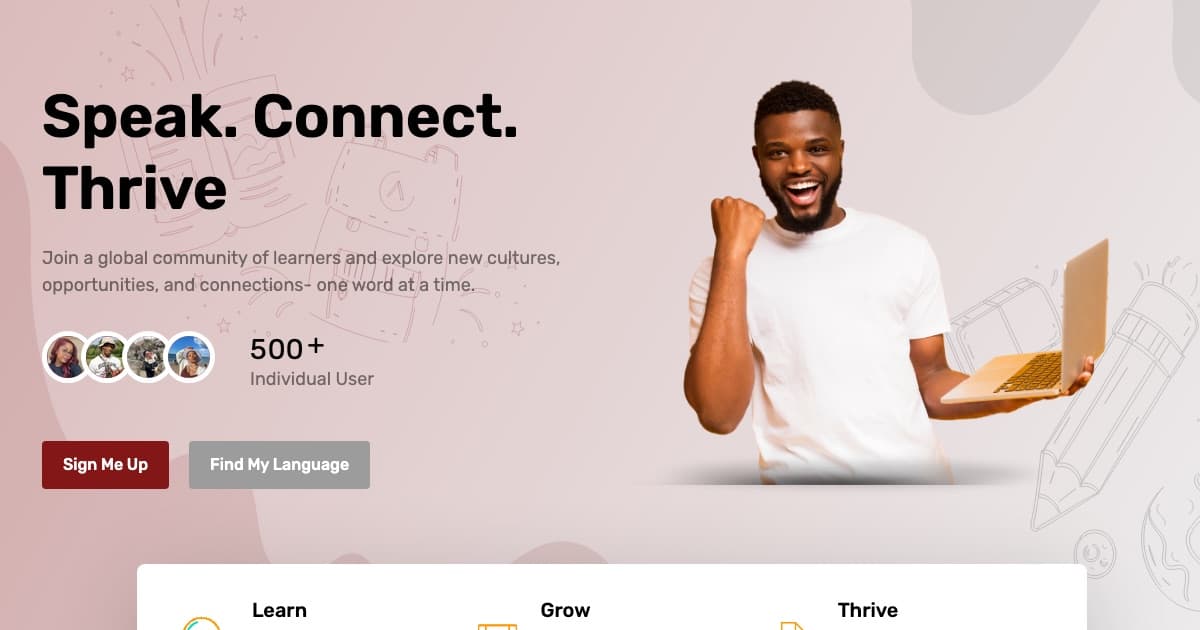
Projects > Education
A Laravel 10 learning management system for a Bulawayo language school, with Zoom API live classes, Paynow payments, quizzes and certificates replacing WhatsApp groups and offline records—administrative effort down 60%, per the client.
Alpha Academy (Alpha Language Centre)
How we staff full stack roles
Choose a model based on whether you need consistent end-to-end output, a specific stack, or a small pod.
Best when you need consistent end-to-end output across workstreams.
Hire by stack such as MERN developers, Python full stack developers, or .NET full stack developers.
Higher throughput with fewer handoffs: full stack plus QA, UI/UX, or DevOps support.
Yes. The goal is ownership across UI, backend, and data changes—so features ship with fewer dependencies.
Yes. Many engagements involve shipping features while reducing debt incrementally.
Yes. We staff stack-aligned full-stack developers based on your product ecosystem.
They follow your quality expectations. For high release risk, adding QA support is recommended.
Yes. Many teams start with one developer and expand after delivery fit is proven.
Full stack fits when feature ownership should span both layers. Split roles when UI or API depth is the bottleneck.